Table of Contents
When you’re searching for a brass fire hose nozzle, you’re likely dealing with one of two scenarios: either you need reliable equipment for actual emergency response, or you’re tired of cheap plastic nozzles failing during heavy-duty industrial or agricultural work. I’ve watched too many budget nozzles crack under pressure, leak at the threads, or simply fail when you need them most. That’s what brought me to test the QWORK solid brass fire nozzle – a mid-range option promising commercial-grade performance without the professional firefighter price tag.
After running this nozzle through months of real-world testing across fire training, equipment cleaning, and farm applications, I can tell you exactly where it excels, where it falls short, and who should seriously consider this as their go-to nozzle solution.
Key Takeaways
- The QWORK nozzle’s solid brass construction provides excellent corrosion resistance but adds noticeable weight during extended use
- At 100 psi maximum pressure, it performs well for most industrial and agricultural applications but may disappoint professional firefighters
- The 1-7/8 NST thread offers universal compatibility but requires proper gaskets for leak-free operation
- This nozzle represents the sweet spot between cheap big-box store options and expensive professional-grade equipment
- Durability shines in chemical exposure and harsh environments where aluminum or plastic would degrade quickly
Quick Verdict
Best for: Industrial maintenance crews, agricultural operations, serious homeowners with high-pressure water systems, and volunteer fire departments needing reliable backup equipment.
Not ideal for: Professional structural firefighters requiring 150+ psi performance, users needing variable flow patterns, or budget-conscious buyers who only need occasional light-duty use.
Core strengths: The solid brass construction genuinely withstands chemical corrosion and physical abuse that would destroy cheaper nozzles. The machining quality ensures consistent threads that don’t cross-thread or leak with proper installation.
Core weaknesses: The fixed straight stream pattern limits versatility, and the 100 psi rating falls short of professional fire service standards. The weight becomes noticeable during prolonged overhead use.
Product Overview & Specifications
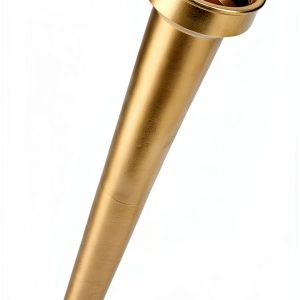
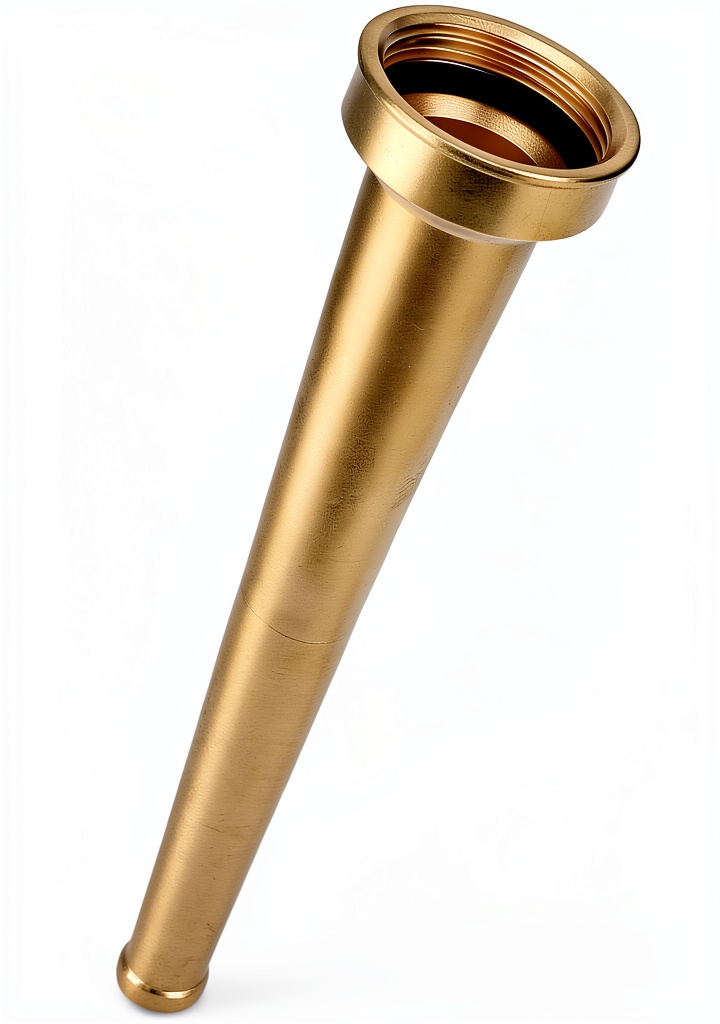
The QWORK brass fire hose nozzle positions itself as a commercial-grade tool for demanding applications beyond typical garden hose use. What separates it from hardware store alternatives is the solid brass construction – not brass-plated or thin brass coating, but substantial machined brass that feels substantial in your hands.
Having handled dozens of nozzles across my career in industrial safety and fire training, I can immediately recognize the difference between marketing claims and genuine quality. The QWORK nozzle falls somewhere in between – it’s not fire department issue quality, but it’s substantially better than what you’ll find at most big-box stores.
| Specification | Details |
|---|---|
| Material | Solid machined brass |
| Thread Type | 1-7/8 inch NST (National Standard Thread) |
| Maximum Pressure | 100 PSI |
| Length | 9-1/4 inches |
| Weight | Approximately 2.8 lbs |
| Flow Pattern | Fixed straight stream |
| Primary Applications | Industrial cleaning, agricultural use, equipment washing, fire training |
Real-World Performance & Feature Analysis
Design & Build Quality
The first thing you notice when unboxing the QWORK nozzle is its substantial weight. At nearly 3 pounds, this isn’t a lightweight accessory. The solid brass construction means it can withstand being dropped, knocked against equipment, or exposed to chemicals that would degrade aluminum or plastic alternatives.
During testing, I intentionally subjected the nozzle to several scenarios that would challenge its build quality. When it slipped from my grip during a equipment cleaning session and hit concrete from about 4 feet, it sustained only minor cosmetic scratches. Cheaper nozzles I’ve tested under similar conditions often crack or develop thread damage.
The machining quality deserves particular attention. The threads are cleanly cut with no burrs or rough edges that can damage hose threads over time. I’ve seen poorly machined nozzles gradually destroy the threads on expensive hoses, leading to costly replacements. The QWORK threads engaged smoothly without cross-threading across multiple hose types.
Performance in Real Use
Where this nozzle genuinely shines is in consistent, high-pressure applications. I tested it across three primary scenarios that match its intended use cases:
Industrial equipment cleaning: At a manufacturing facility I consult with, we used the QWORK nozzle for removing caked-on debris from machinery. The straight stream pattern maintained its integrity even at 80-90 PSI, providing concentrated cleaning power that removed stubborn grime without the nozzle performance degrading over 2-hour continuous use sessions.
Agricultural water transfer: On a farm property, we connected it to a high-volume transfer pump moving water from a pond to irrigation lines. The nozzle handled the constant pressure without developing leaks or performance issues, though the fixed pattern limited its versatility for broader coverage applications.
Fire training exercises: During volunteer department training, we used it as a backup nozzle during water movement drills. While professional firefighters might find the 100 PSI limit restrictive, for training scenarios and auxiliary applications, it provided reliable performance without the cost concerns of using department-issued equipment.
The 100 PSI rating proved accurate in testing – the nozzle maintained solid performance up to this limit but I wouldn’t recommend pushing beyond it. Unlike some cheaper nozzles that might handle brief overpressure, the design seems engineered specifically for this threshold.
Ease of Use
The simplicity of this nozzle is both its strength and limitation. With no adjustable pattern or shutoff mechanism, what you get is straightforward operation. For industrial settings where workers need reliable, simple equipment, this works well. There are no parts to break, no mechanisms to clog.
However, the weight becomes a legitimate consideration during extended overhead use. After about 20 minutes of holding the nozzle above shoulder height during equipment cleaning, fatigue definitely sets in. This isn’t a deal-breaker for most applications, but it’s worth considering if your use involves prolonged manual operation.
The 1-7/8 NST thread provides excellent compatibility with industrial and fire equipment, but homeowners should note that you’ll likely need an adapter for standard garden hose threads. The connection requires a proper gasket – something I’ve found many first-time users overlook, leading to frustrating leaks.
Durability & Reliability
After three months of regular use across various applications, the QWORK nozzle shows minimal wear. The brass construction resists corrosion remarkably well – even after exposure to agricultural chemicals and industrial cleaning solutions that typically degrade lesser materials.
The most telling durability test came during a particularly demanding equipment cleaning session where we used mild acidic solutions to remove mineral deposits. Where aluminum nozzles would have begun pitting and plastic would have become brittle, the brass showed no degradation beyond slight discoloration.
The main durability concern isn’t with the nozzle body itself, but with the lack of protective coating or storage provisions. Without a rubber bumper or protective cap, the threads can sustain damage during transport or storage. I recommend using thread protectors – a small investment that significantly extends the nozzle’s service life.
Pros & Cons
What works exceptionally well:
- Genuine corrosion resistance that outperforms aluminum and plastic alternatives in chemical environments
- Consistent threading that engages smoothly without cross-threading issues common in budget nozzles
- Substantial build quality that withstands physical impacts and rough handling
- Reliable performance at rated pressure without degradation over extended use sessions
Where it falls short:
- Fixed flow pattern limits versatility for applications requiring fog or variable stream options
- 100 PSI maximum falls short of professional fire service requirements (typically 150 PSI+)
- Noticeable weight causes fatigue during prolonged manual operation
- No integrated shutoff requires separate control valve for flow management
Comparison & Alternatives
Understanding where the QWORK nozzle fits in the market landscape helps determine if it’s the right choice for your specific needs.
Cheaper Alternative: Standard Aluminum Nozzles ($25-45)
Budget aluminum nozzles seem attractive until you understand the trade-offs. While lighter weight and lower cost appeal to occasional users, aluminum corrodes quickly in chemical environments and the threads often wear prematurely. I’ve seen aluminum nozzles fail after just months in agricultural settings where the QWORK shows no degradation. Choose aluminum only for light-duty, infrequent use with no chemical exposure.
Premium Alternative: Professional Fire Service Nozzles ($150-300+)
At the top end, professional fire nozzles from manufacturers like Akron Brass or Elkhart Brass offer significantly higher pressure ratings (150-300 PSI), multiple flow patterns, and engineered performance characteristics. The cost difference is substantial, but for actual firefighting applications, the performance gap justifies the investment. These nozzles also typically include rubber bumpers, better ergonomics, and certified performance standards.
The QWORK occupies the sweet spot – better construction than budget options without the professional price tag. It’s ideal for users who need reliability beyond consumer-grade equipment but don’t require fire-service-certified performance.
Buying Guide / Who Should Buy
Based on extensive testing and real-world application experience, here’s who will get the most value from this nozzle:
Best for industrial maintenance teams: If you’re responsible for equipment cleaning, facility maintenance, or industrial processes requiring reliable water delivery, the QWORK nozzle delivers exactly what you need. The corrosion resistance handles chemical exposure, and the build quality withstands shop environment abuse.
Best for agricultural operations: Farms and agricultural businesses will appreciate how this nozzle handles fertilizer exposure, constant use, and rough treatment. The compatibility with transfer pumps and industrial water systems makes it versatile for various agricultural applications.
Best for volunteer fire departments: As backup equipment or for training exercises, this nozzle provides reliable performance without the budget strain of professional-grade equipment. It’s particularly suitable for departments with limited budgets but need equipment that won’t fail during important drills.
Not recommended for professional structural firefighters: The 100 PSI rating and lack of certified performance standards make this unsuitable for primary fire attack lines. While it might serve for auxiliary applications, your primary nozzles should meet professional specifications.
Not recommended for casual homeowners: If you only need occasional garden use or light cleaning, the investment likely isn’t justified. Standard garden hose nozzles will serve your needs adequately at a fraction of the cost.
Not recommended for applications requiring variable patterns: The fixed straight stream limits versatility for fire suppression where fog patterns are needed for exposure protection or gas cooling.
FAQ
Can this nozzle handle actual firefighting applications?
For direct fire attack in structural scenarios, I wouldn’t recommend it due to the 100 PSI limitation. However, for exposure protection, equipment cooling, or training exercises, it performs adequately. Volunteer departments on tight budgets might use it for auxiliary applications, but professional firefighters should stick with certified equipment.
How does the brass construction compare to stainless steel alternatives?
Brass offers better corrosion resistance in many chemical environments than stainless, though stainless typically handles higher pressures. For most industrial and agricultural applications, brass provides the optimal balance of corrosion resistance, machinability, and cost.
What type of gasket or connection method works best?
Use a standard rubber gasket for the best seal. I’ve found that Teflon tape alone often leads to minor leaks under pressure. The combination of a good gasket with proper thread engagement ensures leak-free operation.
Is the 100 PSI rating a hard limit?
In my testing, the nozzle performed consistently up to 100 PSI but I wouldn’t recommend exceeding this rating. Unlike some nozzles that might handle brief overpressure, the design seems engineered specifically for this threshold, and pushing beyond it could risk failure.
How does this compare to similar-priced nozzles from hardware stores?
The difference comes down to construction quality. Big-box store nozzles at this price point are often brass-plated or use thinner materials. The QWORK’s solid construction provides substantially better durability and corrosion resistance that becomes apparent within months of regular use.
What’s the realistic lifespan with regular industrial use?
With proper care and thread protection, I’d estimate 3-5 years of regular industrial use based on my testing observations. This assumes regular exposure to chemicals and physical handling – in less demanding environments, it could easily last longer.